

Blog
Zinc Deficiency: Effects on Immunity, Fertility, and Skin Health

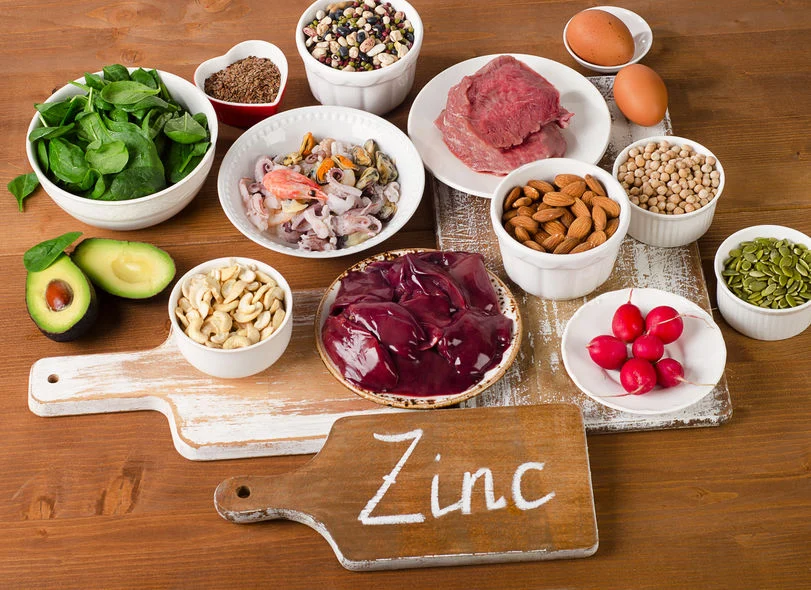
Do you often find yourself catching frequent colds, struggling with skin issues, or facing unexplained fertility concerns? These problems may not just be lifestyle-related—they could be linked to zinc deficiency, a surprisingly common yet overlooked nutrient imbalance. Zinc is an essential trace mineral that plays a crucial role in immune function, reproductive health, and skin repair. Without enough zinc, your body cannot perform these vital processes optimally.
In this blog, we’ll explore what zinc deficiency is, how it affects your immunity, fertility, and skin health, and practical steps to restore healthy levels. You’ll learn how to identify deficiency symptoms, the best dietary and supplemental strategies, and common mistakes to avoid. By the end, you’ll have actionable insights to improve your overall wellness, protect your immune system, enhance reproductive health, and maintain glowing, healthy skin.
Understanding Zinc Deficiency
What is Zinc and Why Your Body Needs It
Zinc is a micronutrient essential for hundreds of enzymatic reactions in the body. It supports:
- Immune system function and wound healing
- Hormone production, including reproductive hormones
- Skin cell regeneration and collagen synthesis
- DNA and protein synthesis
- Growth and development
Without sufficient zinc, these processes can slow down, leaving you vulnerable to infections, fertility challenges, and skin problems.
Causes of Zinc Deficiency
Several factors can contribute to low zinc levels:
- Inadequate dietary intake (especially in vegetarian or vegan diets)
- Digestive disorders that reduce absorption, such as Crohn’s disease
- Excessive alcohol consumption, which depletes zinc
- Certain medications (diuretics, ACE inhibitors)
- Age-related changes reducing zinc absorption
Even mild deficiency can have gradual, unnoticed effects, making early recognition critical.
Signs and Symptoms of Zinc Deficiency
Common Symptoms
- Frequent colds or slow recovery from infections
- Hair thinning or hair loss
- Skin issues: acne, eczema, delayed wound healing
- Taste and smell disturbances
- Low energy or fatigue
- Fertility concerns: low sperm count in men, irregular menstrual cycles in women
Who is at Risk?
- Vegetarians or vegans (plant-based diets may provide less bioavailable zinc)
- Pregnant or breastfeeding women
- Older adults (absorption declines with age)
- People with gastrointestinal conditions
- Individuals with chronic illnesses or high stress
How Zinc Deficiency Affects Immunity, Fertility, and Skin
1. Immune System Support
Zinc is crucial for white blood cell production and function. Low zinc can lead to:
- Increased susceptibility to infections
- Longer recovery times
- Impaired immune response
Restoring zinc levels enhances immune defenses and helps the body fight off viruses and bacteria more effectively.
2. Reproductive Health
Zinc plays a key role in hormone production and reproductive function:
- Men: supports testosterone production, sperm quality, and motility
- Women: aids ovulation and hormonal balance
Deficiency can contribute to fertility issues and reproductive challenges in both men and women.
3. Skin Health
Zinc is essential for collagen synthesis and skin cell repair. Low zinc can cause:
- Acne and oily skin
- Slow wound healing
- Dermatitis or rashes
- Hair loss
By maintaining optimal zinc levels, skin appearance improves, wounds heal faster, and hair and nails remain healthy.
How to Correct Zinc Deficiency: Step-by-Step
Step 1: Confirm Deficiency
- Consult a healthcare provider for zinc blood level testing
- Track symptoms like frequent infections, skin problems, or reproductive concerns
Step 2: Include Zinc-Rich Foods
Boost zinc intake with both animal and plant sources:
- Animal-based sources (highly bioavailable): red meat, poultry, seafood (oysters, crab, shrimp), eggs
- Plant-based sources: legumes (chickpeas, lentils, beans), nuts and seeds (pumpkin seeds, cashews), whole grains, fortified cereals
- Pair plant-based sources with Vitamin C-rich foods to improve absorption
Step 3: Consider Supplements if Needed
- Zinc supplements are available as zinc gluconate, zinc citrate, or zinc picolinate
- Dosage varies; typical adult requirement: 8–11 mg/day (higher doses may be recommended for deficiency under medical supervision)
- Take supplements with food to avoid stomach upset
Step 4: Lifestyle Adjustments
- Reduce excessive alcohol and caffeine intake
- Manage stress, which can deplete zinc levels
- Maintain a balanced diet with adequate protein to support zinc absorption
Practical Tips and Best Practices
Tips for Effective Zinc Management
- Combine zinc-rich foods with protein to improve absorption
- Avoid taking high-dose zinc supplements for long periods without monitoring, as excessive zinc can cause copper deficiency
- Monitor improvements in immune function, skin health, and reproductive markers
Common Mistakes to Avoid
- Ignoring subtle symptoms like slow wound healing or mild fatigue
- Assuming plant-based diets provide sufficient zinc without considering absorption
- Self-supplementing with high doses without testing
- Relying solely on topical skin treatments for zinc-related skin issues
Real-Life Example
Consider Sara, a 30-year-old professional struggling with acne, fatigue, and recurrent colds. Her doctor tested her zinc levels and found they were below normal. She:
- Incorporated zinc-rich foods daily, including eggs, pumpkin seeds, and red meat
- Took a doctor-recommended zinc citrate supplement
- Reduced alcohol and processed food intake
Within 8 weeks, Sara noticed fewer skin breakouts, increased energy, and fewer infections, demonstrating how restoring zinc can improve multiple areas of health simultaneously.
Customer-Centric Insights
Common Pain Points
- Frequent illnesses or slow recovery
- Skin problems unresponsive to topical treatments
- Fertility or hormonal concerns
- Confusion about zinc sources or supplementation
Solutions and Recommendations
- Get tested for zinc levels to identify deficiency
- Include a variety of zinc-rich foods and consider supplements if needed
- Pair dietary changes with stress management and lifestyle adjustments
- Track improvements in immunity, skin, and reproductive health
By following these steps, customers can regain strength, resilience, and confidence in their health and appearance.
FAQ: Zinc Deficiency
1. How do I know if I have zinc deficiency?
Blood tests measuring serum zinc levels provide the most accurate information. Look for symptoms such as frequent colds, skin problems, hair loss, or fertility issues.
2. Can zinc supplements boost immunity?
Yes, zinc plays a critical role in white blood cell function and immune response, helping the body fight infections more effectively.
3. What are the best dietary sources of zinc?
Oysters, red meat, poultry, pumpkin seeds, lentils, beans, and fortified cereals are excellent sources.
4. Is zinc safe to take as a supplement?
Yes, when taken as recommended. Avoid long-term high-dose supplementation without medical supervision, as it can cause copper deficiency or digestive upset.
5. Can zinc improve skin and hair health?
Absolutely. Zinc is essential for collagen synthesis and cell repair, improving skin appearance, speeding wound healing, and supporting healthy hair growth.
6. Does zinc affect fertility?
Yes, zinc supports hormone production and reproductive function. Deficiency can contribute to low sperm quality in men and hormonal imbalance in women.
7. How long does it take to correct zinc deficiency?
With proper dietary changes and supplementation, many people notice improvements in immunity, skin, and energy within 6–8 weeks. Full correction may take several months depending on severity.
Conclusion
Zinc deficiency is a common but often hidden cause of weakened immunity, fertility challenges, and skin issues. By understanding the symptoms, testing your levels, and incorporating zinc-rich foods, supplements, and lifestyle adjustments, you can restore optimal zinc status and improve overall health.
Don’t ignore subtle signs like frequent colds, persistent skin problems, or fertility concerns. Take action today: check your zinc levels, adjust your diet, and consider supplementation under medical guidance. With consistent effort, you can enhance immune resilience, reproductive health, and skin vitality, improving your quality of life significantly.


