

Blog
Creatine Deficiency in Athletes: Why Your Muscle Growth May Be Slower Than Expected

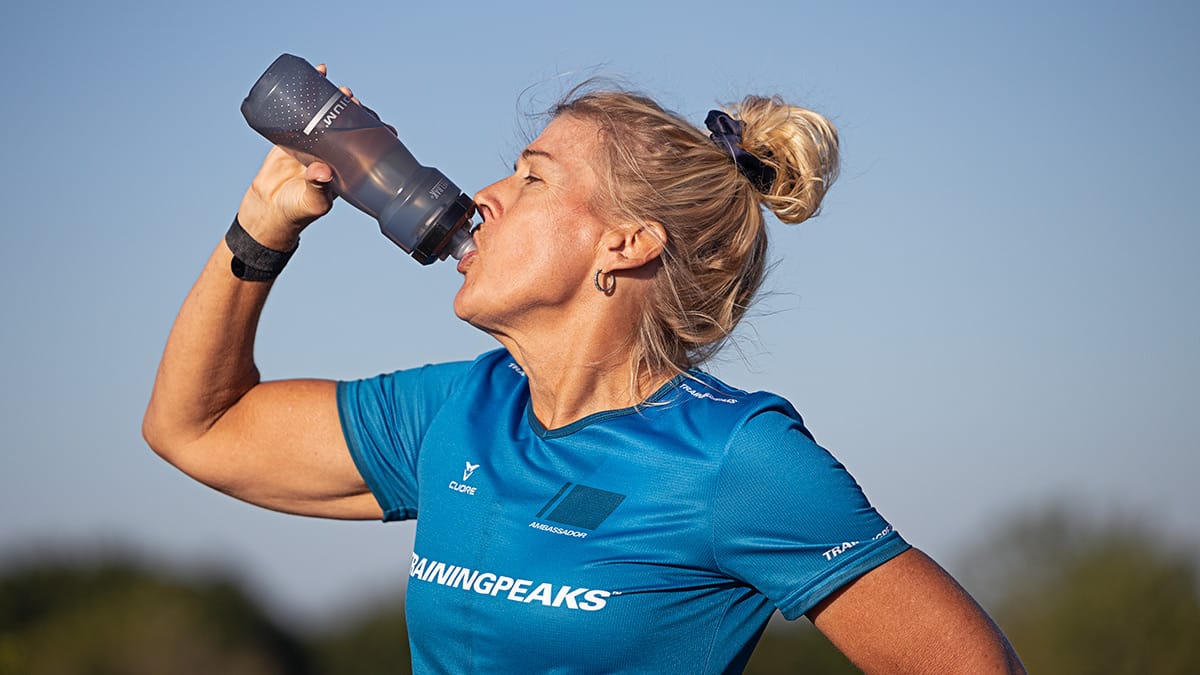
Are you putting in hours at the gym but not seeing the muscle gains you expected? If your strength and muscle growth seem to plateau despite consistent training and proper diet, the culprit may not be your workout—it could be creatine deficiency. Creatine is a naturally occurring compound in your muscles that helps fuel high-intensity exercise, support muscle repair, and maximize growth. Without adequate creatine, your body may struggle to perform optimally, leaving your gains slower than they should be.
In this blog, we’ll explore what creatine deficiency is, how it impacts athletic performance and muscle growth, and practical strategies to optimize your creatine levels. You’ll learn how creatine works, why some athletes may be deficient, and how to address it safely and effectively. By the end, you’ll have actionable steps to boost your workouts, improve recovery, and accelerate muscle growth naturally.
Understanding Creatine and Its Role in Muscle Growth
What is Creatine?
Creatine is a naturally occurring compound composed of amino acids—arginine, glycine, and methionine. It is stored primarily in skeletal muscles and serves as a rapid energy source during high-intensity exercises, such as weightlifting, sprinting, and explosive movements.
When you perform short bursts of intense activity, creatine helps regenerate ATP (adenosine triphosphate), the primary energy molecule in cells. This process allows your muscles to contract more forcefully and recover faster, supporting optimal performance and muscle growth over time.
How Deficiency Occurs
While the body produces some creatine naturally and also obtains it from diet (meat, fish), deficiency can happen due to:
- Low dietary intake, especially in vegetarians and vegans
- High-intensity training, which depletes creatine stores faster
- Certain medical conditions, such as kidney or liver issues affecting creatine synthesis
- Aging, as creatine synthesis may decline naturally over time
Even mild deficiency can slow muscle growth, reduce strength gains, and impair recovery.
Signs and Symptoms of Creatine Deficiency
Common Symptoms
- Slower strength gains despite consistent training
- Early fatigue during high-intensity workouts
- Longer recovery times after exercise
- Muscle cramps or stiffness
- Reduced muscle volume or “flat” appearance
Who is at Risk?
- Vegetarians or vegans (limited dietary creatine)
- Athletes engaging in high-intensity, repeated exercise
- Older adults seeking to maintain muscle mass
- Individuals with chronic fatigue or low energy
Recognizing these symptoms early can help you take corrective steps before performance and gains plateau.
How Creatine Deficiency Impacts Performance
1. Strength and Muscle Gains
Creatine deficiency limits your muscles’ ability to produce quick energy, meaning:
- You may struggle with heavy lifts
- Repeated sets may feel more challenging
- Overall muscle hypertrophy slows down
2. Recovery and Fatigue
Creatine helps buffer lactic acid in muscles and support recovery. Low creatine:
- Increases post-workout soreness
- Delays repair of muscle fibers
- Leads to prolonged fatigue between training sessions
3. Cognitive and Neurological Performance
Emerging research suggests creatine supports brain energy metabolism. Deficiency may contribute to:
- Mental fatigue during training
- Reduced focus and reaction time in sports
How to Address Creatine Deficiency: Step-by-Step
Step 1: Confirm Deficiency
While blood tests can measure creatine levels, most athletes assess deficiency indirectly based on performance plateaus, fatigue, and muscle recovery rates.
Step 2: Increase Dietary Creatine
Include creatine-rich foods in your diet:
- Red meat (beef, lamb)
- Fish (salmon, tuna, herring)
- Pork
- For vegetarians/vegans, consider fortified plant-based foods or supplements
Step 3: Consider Creatine Supplementation
- Creatine monohydrate is safe, effective, and well-researched
- Typical dosing:
- Loading phase: 20 grams/day divided into 4 doses for 5–7 days (optional)
- Maintenance phase: 3–5 grams/day
- Take with carbohydrates to improve absorption
Step 4: Combine with Proper Training
- Focus on progressive resistance training
- Ensure sufficient protein intake to support muscle repair
- Incorporate recovery strategies like stretching, sleep, and hydration
Tips, Best Practices, and Expert Advice
Tips for Optimizing Creatine Levels
- Stay hydrated, as creatine draws water into muscle cells
- Pair supplementation with resistance training for maximum benefits
- Maintain consistent intake; creatine works cumulatively over time
Common Mistakes to Avoid
- Expecting immediate dramatic gains without training
- Overloading on creatine without monitoring kidney health
- Neglecting dietary protein, which is essential for muscle growth
- Ignoring recovery and sleep, which are critical alongside supplementation
Real-Life Example
Consider Alex, a 28-year-old athlete struggling with slow strength gains and early fatigue. After consulting a sports nutritionist, he:
- Started creatine monohydrate supplementation at 5 grams/day
- Increased intake of red meat and salmon
- Maintained a consistent weightlifting program and proper recovery
Within 6 weeks, Alex noticed improved energy during workouts, increased lifting capacity, and noticeable muscle growth, demonstrating the impact of correcting creatine deficiency alongside proper training.
Customer-Centric Insights
Common Pain Points
- Feeling stuck despite consistent workouts
- Frequent fatigue during training sessions
- Difficulty building visible muscle mass
- Confusion about creatine supplementation
Solutions and Recommendations
- Evaluate dietary intake and lifestyle factors
- Consider supplementation under guidance, especially if vegetarian or vegan
- Combine supplementation with progressive resistance training and recovery strategies
- Monitor improvements in performance, energy, and muscle gains
By addressing these pain points, athletes can accelerate muscle growth, reduce fatigue, and enhance overall performance.
FAQ: Creatine Deficiency
1. How do I know if I have creatine deficiency?
While blood tests exist, deficiency is usually suspected if muscle growth is slow, fatigue occurs early, or recovery is prolonged despite proper diet and training.
2. Can creatine supplements help me gain muscle faster?
Yes, creatine increases ATP availability, improving strength, endurance, and recovery, which indirectly accelerates muscle growth.
3. Are creatine supplements safe?
Yes. Creatine monohydrate is well-studied and safe for healthy adults when taken in recommended doses. Drink plenty of water and consult a doctor if you have kidney issues.
4. Do vegetarians need creatine supplementation?
Vegetarians typically have lower dietary creatine, so supplementation can be especially beneficial to support performance and muscle growth.
5. How long does it take to see results?
With proper supplementation and training, many athletes notice increased strength and performance within 2–4 weeks. Full muscle growth improvements may take several months.
6. Can creatine help with recovery?
Yes, creatine reduces muscle damage, soreness, and fatigue, supporting faster recovery between sessions.
7. How much creatine should I take?
- Maintenance dose: 3–5 grams/day
- Optional loading: 20 grams/day for 5–7 days
Always take with water and consider consulting a sports nutritionist for personalized guidance.
Conclusion
Creatine deficiency is a common yet overlooked factor that can slow muscle growth, reduce performance, and increase fatigue in athletes. By understanding the signs, adjusting your diet, and considering safe supplementation, you can restore creatine levels, optimize workouts, and accelerate muscle gains.
Don’t let slow progress discourage you. Take action today: assess your creatine intake, incorporate supplementation if needed, and maintain consistent training and recovery practices. With dedication and proper strategies, you can unlock enhanced strength, better performance, and noticeable muscle growth—transforming your athletic journey.
👉 Boost your workouts and maximize your gains—prioritize creatine today!


