

Blog
Calcium Deficiency: Why Your Bones Are Weak and How to Fix It

Introduction
Do your joints ache more than usual? Do you feel tired, weak, or notice brittle nails and frequent muscle cramps? These symptoms might seem minor at first, but they often point to a deeper issue — calcium deficiency. Calcium plays a crucial role in maintaining strong bones, healthy teeth, proper muscle function, and nerve signaling. Yet, many people unknowingly consume far less calcium than their body needs.
Over time, low calcium levels weaken your bones, increase the risk of fractures, and may even affect your heart and muscles. The problem becomes more serious because calcium deficiency develops slowly, often without obvious warning signs until damage has already begun.
In this blog, you will learn what calcium deficiency is, why it happens, how it affects your body, and most importantly — how you can fix it. We will also cover practical steps, dietary tips, common mistakes, and expert-backed recommendations to help you strengthen your bones and improve overall health.
What Is Calcium Deficiency?
Calcium deficiency occurs when your body does not get enough calcium to maintain normal functions. Since your body cannot produce calcium on its own, it relies entirely on food and supplements.
When calcium intake is low, your body starts pulling calcium from your bones to keep vital organs working. This weakens bones over time and increases the risk of conditions like osteopenia and osteoporosis.
Why Calcium Is Important for Your Body
Calcium is not just for bones. It plays several essential roles:
- Builds and maintains strong bones and teeth
- Supports muscle contraction
- Helps nerves transmit signals
- Maintains proper heart rhythm
- Assists blood clotting
- Supports hormone release
Without enough calcium, multiple body systems begin to suffer.
Signs and Symptoms of Calcium Deficiency
Calcium deficiency often develops gradually. Early detection can prevent long-term damage.
Early Symptoms
- Muscle cramps and spasms
- Fatigue and weakness
- Brittle nails
- Dry skin
- Tingling in fingers
- Tooth decay
Advanced Symptoms
- Frequent bone fractures
- Severe joint pain
- Osteoporosis
- Poor posture
- Height loss over time
- Irregular heartbeat
Many people ignore early signs, assuming they are due to stress or aging. This delay often worsens bone health.
Why Your Bones Become Weak
Your bones constantly rebuild themselves. Calcium is the main building block in this process. When calcium intake drops:
- Bone breakdown increases
- Bone formation decreases
- Bone density reduces
- Fracture risk rises
This cycle gradually weakens your skeletal structure.
High-Risk Groups
Some people are more likely to develop calcium deficiency:
- Women over 30
- Pregnant or breastfeeding mothers
- Elderly individuals
- Vegetarians or vegans
- People with lactose intolerance
- Athletes with high physical activity
- People with vitamin D deficiency
If you fall into any of these categories, you should pay extra attention to calcium intake.
Common Causes of Calcium Deficiency
Understanding the root cause helps you fix the problem effectively.
1. Poor Diet
Not consuming enough calcium-rich foods is the most common cause.
2. Vitamin D Deficiency
Your body needs vitamin D to absorb calcium. Without it, calcium passes through your body unused.
3. Excess Caffeine Intake
Too much coffee or tea increases calcium loss through urine.
4. High Sodium Diet
Salt-heavy foods cause calcium depletion.
5. Hormonal Changes
Menopause reduces estrogen levels, which affects bone density.
6. Sedentary Lifestyle
Lack of physical activity weakens bones over time.
How Much Calcium Do You Need?
Daily calcium requirements vary by age:
- Adults (19–50 years): 1000 mg per day
- Women over 50: 1200 mg per day
- Men over 70: 1200 mg per day
- Pregnant women: 1000–1300 mg per day
- Teenagers: 1300 mg per day
Most people consume only 400–600 mg daily, which is far below the recommended level.
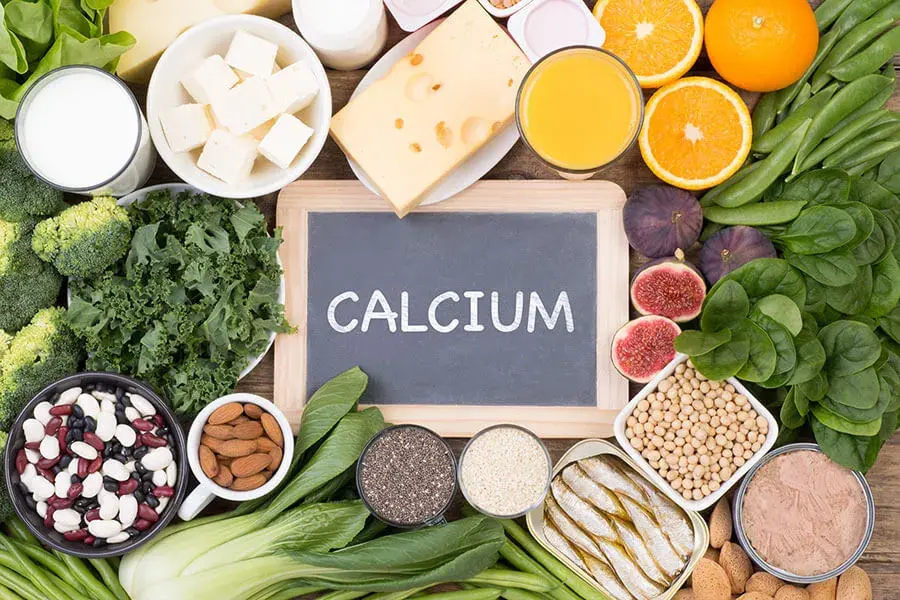
Best Calcium-Rich Foods
You can correct calcium deficiency by improving your diet.
Dairy Sources
- Milk
- Yogurt
- Cheese
- Buttermilk
These are highly absorbable calcium sources.
Plant-Based Sources
- Spinach
- Kale
- Broccoli
- Almonds
- Sesame seeds
- Chia seeds
Other Calcium-Rich Foods
- Sardines
- Salmon (with bones)
- Tofu
- Fortified cereals
- Fortified plant milk
Quick Tip
Pair calcium-rich foods with vitamin D sources like sunlight, eggs, or fatty fish to improve absorption.
Step-by-Step Guide to Fix Calcium Deficiency
Step 1: Improve Your Diet
Start including at least 2–3 calcium-rich foods daily. For example:
- Breakfast: Yogurt with chia seeds
- Lunch: Green leafy vegetables
- Dinner: Milk or fortified alternatives
Step 2: Get Enough Sunlight
Spend 15–20 minutes in sunlight daily to boost vitamin D.
Step 3: Add Weight-Bearing Exercise
Exercises that strengthen bones:
- Walking
- Jogging
- Strength training
- Skipping
- Stair climbing
These activities improve bone density.
Step 4: Reduce Calcium Blockers
Limit:
- Excess caffeine
- Soft drinks
- High salt intake
- Processed foods
Step 5: Consider Supplements
If diet alone is insufficient, calcium supplements may help. Always consult a healthcare professional before starting.
Benefits of Fixing Calcium Deficiency
Correcting calcium levels offers multiple benefits:
- Stronger bones and teeth
- Reduced fracture risk
- Better muscle function
- Improved posture
- Increased energy levels
- Better heart health
- Improved nail and skin health
Many people notice reduced joint pain within weeks of improving calcium intake.
Common Mistakes to Avoid
Taking Calcium Without Vitamin D
Your body cannot absorb calcium properly without vitamin D.
Taking Too Much Calcium at Once
Your body absorbs calcium best in doses under 500 mg.
Ignoring Magnesium
Magnesium supports calcium absorption and bone health.
Drinking Tea/Coffee After Calcium Intake
Caffeine interferes with absorption.
Relying Only on Supplements
Food sources should always be your primary intake.
Real-Life Example
Sarah, a 35-year-old office worker, started experiencing back pain and fatigue. She rarely consumed dairy and spent most of her day indoors. After a routine checkup, she discovered low calcium levels.
She made small changes:
- Added yogurt daily
- Walked in sunlight every morning
- Started light strength training
- Reduced soft drinks
Within three months, her energy improved, and her joint pain reduced significantly.
This shows how simple lifestyle changes can restore calcium balance.
Customer Pain Points and Solutions
Problem: “I don’t like milk.”
Solution: Choose plant-based calcium sources like almonds, tofu, and leafy greens.
Problem: “I work indoors all day.”
Solution: Take short sunlight breaks or consider vitamin D supplements.
Problem: “I already take supplements but still feel weak.”
Solution: Check vitamin D levels and split calcium doses for better absorption.
Problem: “I am vegetarian.”
Solution: Include sesame seeds, chia seeds, fortified plant milk, and leafy vegetables.
Expert Tips for Stronger Bones
- Start calcium intake early in life
- Combine calcium with vitamin D and magnesium
- Avoid smoking
- Limit alcohol consumption
- Stay physically active
- Maintain healthy body weight
- Drink enough water
Consistency matters more than quick fixes.
Frequently Asked Questions (FAQ)
1. What is the fastest way to fix calcium deficiency?
The fastest way is combining calcium-rich foods, sunlight exposure, and supplements if needed. Diet alone may take longer.
2. Can calcium deficiency cause fatigue?
Yes, low calcium affects muscle and nerve function, leading to fatigue and weakness.
3. Is it safe to take calcium supplements daily?
Yes, but only within recommended doses. Excess calcium may cause kidney stones.
4. How long does it take to improve calcium levels?
You may notice improvement within 4–8 weeks, but bone density takes several months.
5. Can young people have calcium deficiency?
Yes. Poor diet, soft drinks, and lack of sunlight increase risk even in young adults.
6. Does exercise help improve calcium levels?
Exercise improves bone density, helping your body use calcium effectively.
7. What blocks calcium absorption?
Caffeine, excess salt, smoking, alcohol, and vitamin D deficiency reduce absorption.
Conclusion
Calcium deficiency is more common than most people realize, and its effects can quietly weaken your bones over time. The good news is that it is completely preventable and manageable with the right approach. By improving your diet, getting enough sunlight, staying active, and avoiding common mistakes, you can rebuild bone strength and protect your long-term health.
Small daily changes make a big difference. Add calcium-rich foods to your meals, step outside for sunlight, and adopt a more active lifestyle. If you suspect a deficiency, act early before it leads to serious complications.


