

Blog
Iron Deficiency: How Low Iron Impacts Energy, Focus, and Immunity

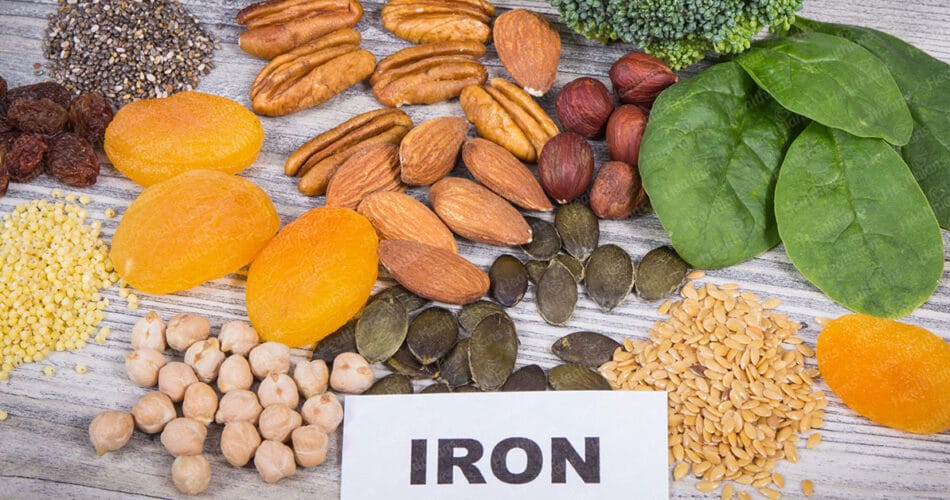
Do you often feel tired, dizzy, or struggle to concentrate, even after sleeping well? Are you catching every cold or infection that comes your way? These subtle signs could point to a common but often overlooked issue: iron deficiency. Iron is a vital mineral that powers your body, supports brain function, and strengthens your immune system. When iron levels drop, your energy, focus, and overall wellness can take a serious hit.
In this blog, we’ll explore what iron deficiency is, how it affects your body, and practical ways to correct it. You’ll learn how low iron can cause fatigue, cognitive issues, and frequent illness, and discover effective strategies to restore healthy iron levels naturally. By the end, you’ll have actionable insights to protect your energy, mental clarity, and immunity, helping you feel stronger and more vibrant every day.
Understanding Iron Deficiency in Simple Terms
What is Iron and Why Does Your Body Need It?
Iron is a mineral essential for producing hemoglobin, the protein in red blood cells that carries oxygen throughout your body. Oxygen fuels your organs, muscles, and brain, so low iron can disrupt nearly every function.
Iron also supports:
- Immune system health – helps fight infections
- Cognitive function – improves focus, memory, and mood
- Energy metabolism – reduces fatigue and increases stamina
Without enough iron, your body struggles to perform efficiently, leaving you tired, unfocused, and more prone to illness.
How Iron Deficiency Occurs
Common reasons for low iron include:
- Poor dietary intake (not enough iron-rich foods)
- Heavy menstrual bleeding in women
- Pregnancy, which increases iron needs
- Blood loss from injuries, surgeries, or medical conditions
- Certain digestive disorders affecting absorption (like celiac disease)
Even mild deficiency can silently impact your daily life long before severe symptoms appear.
Signs and Symptoms of Iron Deficiency
Common Symptoms to Watch For
- Chronic fatigue or low energy
- Shortness of breath or rapid heartbeat
- Difficulty concentrating or brain fog
- Frequent infections or slow healing
- Pale skin, brittle nails, or hair thinning
- Restless legs or headaches
Who is at Risk?
- Women of childbearing age
- Pregnant women
- Vegetarians and vegans
- Individuals with digestive disorders
- People with chronic blood loss
If you identify with several of these symptoms or risk factors, a blood test measuring ferritin and hemoglobin levels can confirm iron deficiency.
How Low Iron Impacts Energy, Focus, and Immunity
1. Energy Levels
Iron deficiency reduces the number of oxygen-carrying red blood cells, leading to fatigue and muscle weakness. Everyday tasks like climbing stairs, exercising, or even focusing at work can feel exhausting.
2. Cognitive Function and Focus
Iron plays a key role in brain function. Low iron can affect neurotransmitter production, reducing concentration, memory, and mental clarity. People often report “brain fog” or difficulty staying alert.
3. Immune System Support
Iron is essential for a healthy immune response. Deficiency can impair white blood cell function, leaving you more susceptible to infections and slower to recover.
How to Correct Iron Deficiency: Step-by-Step Guidance
1. Get Tested First
- Consult your doctor for a blood test that measures hemoglobin, ferritin, and transferrin saturation.
- Testing helps determine the severity of deficiency and guides the proper dosage of supplements.
2. Incorporate Iron-Rich Foods
Add these to your diet:
- Heme iron (animal-based, easily absorbed): Red meat, poultry, fish, liver
- Non-heme iron (plant-based): Spinach, lentils, beans, tofu, fortified cereals
- Pair with Vitamin C-rich foods (oranges, bell peppers) to boost absorption.
3. Use Iron Supplements if Needed
- Ferrous sulfate, ferrous gluconate, or ferrous fumarate are common supplements.
- Follow doctor-recommended dosages; excessive iron can be harmful.
- Take supplements on an empty stomach for better absorption, but if it causes nausea, take with food.
4. Avoid Absorption Blockers During Meals
Some foods and beverages reduce iron absorption:
- Tea and coffee
- Calcium-rich foods and supplements
- High-fiber foods taken at the same time as iron supplements
5. Monitor Progress
- Track energy levels, focus, and recovery from illness
- Repeat blood tests after a few months to ensure iron levels are improving
Tips, Best Practices, and Common Mistakes
Tips for Effective Iron Management
- Combine heme and non-heme iron sources for best results
- Cook in cast iron cookware to add extra iron to meals
- Split supplement doses if high doses cause stomach upset
Common Mistakes to Avoid
- Ignoring fatigue or frequent infections
- Taking iron supplements without testing
- Consuming coffee or calcium-rich foods with iron supplements
- Relying solely on plant sources without enhancing absorption
Real-Life Example
Meet Ayesha, a 28-year-old teacher who felt constantly exhausted and struggled to focus in class. After routine testing, she discovered her iron levels were low. She started:
- Eating iron-rich meals daily (spinach, eggs, chicken)
- Taking a doctor-recommended iron supplement
- Including citrus fruits to improve absorption
Within 6 weeks, her energy improved, her focus sharpened, and she no longer caught frequent colds. This example shows that correcting iron deficiency can have a profound impact on daily life.
Customer-Centric Insights
Common Pain Points
- Feeling tired despite adequate sleep
- Difficulty concentrating at work or school
- Frequent minor illnesses
- Confusion about iron supplementation and diet
Solutions and Recommendations
- Schedule a blood test to confirm deficiency
- Plan meals with iron-rich foods and vitamin C for absorption
- Consider supplements only if recommended by a healthcare provider
- Track symptoms and improvements over time
By taking these steps, customers regain energy, focus, and immune resilience, improving quality of life and reducing frustration caused by unexplained fatigue or recurring illness.
FAQ: Iron Deficiency
1. How do I know if I am iron deficient?
A blood test measuring hemoglobin and ferritin levels is the most accurate method. Symptoms like fatigue, pale skin, and frequent infections can hint at deficiency.
2. Can vegetarians get enough iron without supplements?
Yes, by combining non-heme iron sources (lentils, spinach, tofu) with Vitamin C-rich foods. However, regular testing is recommended to ensure adequate levels.
3. How long does it take to restore iron levels?
Mild deficiency can improve in 4–8 weeks with diet and supplements, but more severe cases may take several months.
4. Are there risks of taking too much iron?
Yes. Excess iron can damage organs like the liver and heart. Always follow doctor-recommended doses.
5. Can iron deficiency cause headaches or dizziness?
Yes. Low iron reduces oxygen delivery to the brain, leading to headaches, dizziness, and difficulty concentrating.
6. Can iron improve my energy levels?
Absolutely. Correcting deficiency restores hemoglobin levels, increasing oxygen delivery to muscles and brain, which boosts energy and stamina.
7. Should pregnant women take iron supplements?
Pregnancy increases iron needs. Doctors often recommend iron supplements alongside iron-rich foods to support both mother and baby.
Conclusion
Iron deficiency is a common but often overlooked cause of fatigue, poor focus, and weakened immunity. By understanding the signs, testing for deficiency, and incorporating iron-rich foods or supplements as needed, you can regain your energy, mental clarity, and immune resilience.
Don’t ignore persistent tiredness or frequent illness. Take action today: check your iron levels, improve your diet, and follow professional guidance on supplementation. With consistent effort, you can restore your body’s vitality and feel stronger, healthier, and more focused every day.


